Preventive veterinary medicine is one of the most important pillars of modern pet healthcare.
Instead of focusing only on treating illness, its primary goal is to prevent disease before it develops,
ensuring pets live longer, healthier, and more comfortable lives.
At Thea Veterinary Clinic, preventive care is at the heart of our approach. Regular check-ups and
early diagnosis allow us to identify potential health issues before they become serious, often
making treatment simpler, safer, and more effective.
Many medical conditions in pets develop gradually and often without clear early signs. By the time
symptoms become obvious, the disease may already be advanced.
Routine veterinary examinations make it possible to detect early changes in internal organs,
metabolism, or overall health. This proactive approach leads not only to better medical outcomes
but also to improved quality of life and reduced need for invasive procedures.
Preventive medicine is, in many cases, the most effective form of care we can offer.
Among all aspects of preventive care, dental health plays a particularly important role. Dental
disease is extremely common in dogs and cats, yet it is often underestimated.
Plaque and tartar accumulation can lead to inflammation of the gums, progressive periodontal
disease, tooth loss, chronic pain, and oral infections. However, the impact of poor dental health
extends far beyond the mouth.
Bacteria originating from periodontal disease can enter the bloodstream and potentially affect vital
organs such as the heart, liver, and kidneys. For this reason, oral health should always be
considered an essential part of overall medical care.

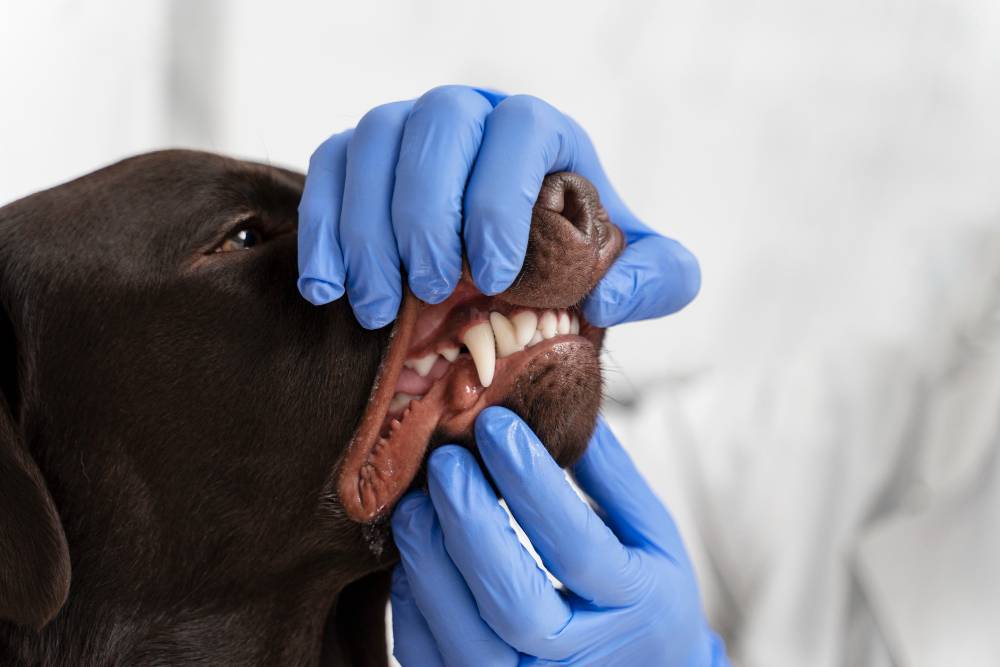
A healthy mouth is directly linked to a pet’s daily comfort and wellbeing. Animals suffering from
dental pain may avoid chewing, eat less willingly, or change their eating habits without the owner
noticing immediately.
Over time, this can affect nutrition, energy levels, and general behavior. Maintaining good oral
health is therefore not only about preventing disease, but also about preserving quality of life.
In addition to professional dental cleaning, daily at-home care plays an important role in preventing
dental disease.
Regular tooth brushing, when possible, is the most effective way to reduce plaque buildup. There
are also veterinary-specific toothpaste products that are safe for dogs and cats and should never
be replaced with human toothpaste.
As an alternative or complement to brushing, dental treats, chew toys, dental diets formulated to
reduce tartar, and oral water additives can all help support oral health. However, these products do
not replace professional dental cleaning but rather complement it.
The combination of home care and regular veterinary check-ups is the most effective strategy to
maintain long-term oral health in pets.
Professional dental cleaning is a key component of preventive veterinary medicine. It allows us to safely remove plaque and tartar before they cause irreversible damage to teeth and gums.
Early and regular dental care can help prevent more serious procedures later in life, such as tooth
extractions or complex oral surgery. It also reduces the risks associated with anesthesia in older
patients, where dental disease is often more advanced.
A long-term approach to pet health
Preventive veterinary medicine and dental care are closely connected. Together, they form the
foundation of a long-term health strategy for pets, focusing on early detection, prevention, and
continuous care.
By investing in prevention today, we significantly improve the chances of a longer, healthier, and
more comfortable life for our pets.